New Antibody-Drug Conjugate Shows Promise in Targeting Aggressive Triple-Negative Breast Cancer
 Admin
Admin
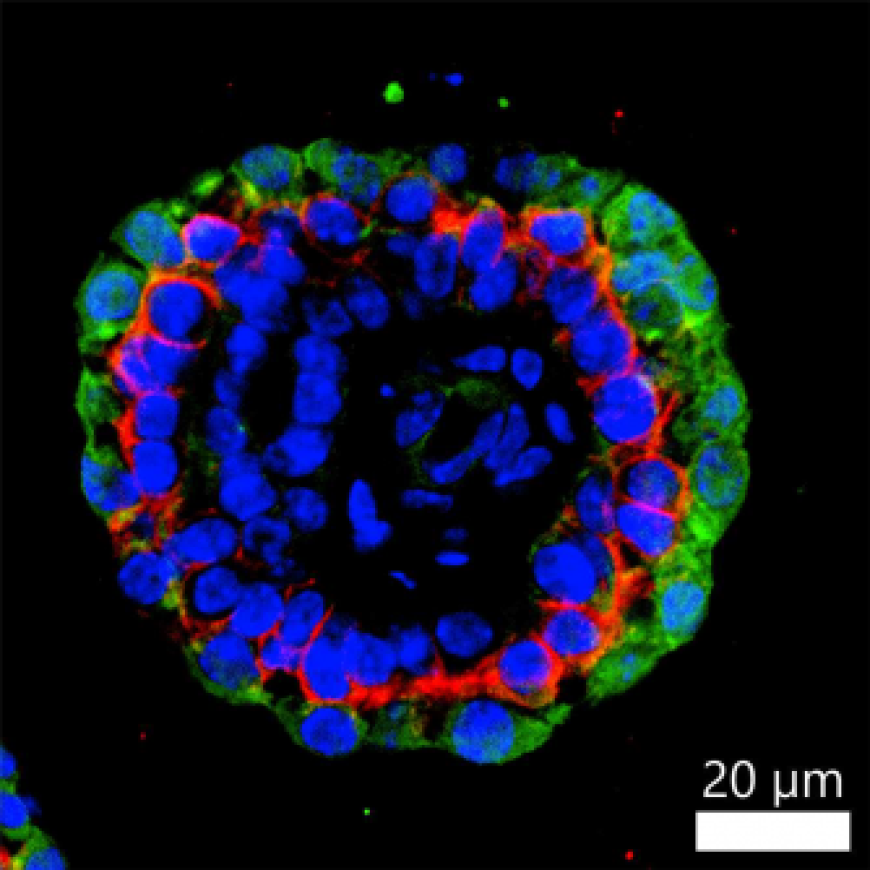
Researchers at the University of California, San Diego School of Medicine have uncovered a potential breakthrough in the treatment of triple-negative breast cancer (TNBC), one of the most aggressive and challenging forms of the disease. Their innovative approach centers around an antibody-drug conjugate (ADC) that harnesses the power of precision medicine to deliver chemotherapy directly to cancer cells while minimizing damage to healthy tissue.
Triple-negative breast cancer, which accounts for 10-15% of all breast cancer cases, is notoriously difficult to treat. It is more likely to grow and spread rapidly compared to other breast cancer subtypes and typically does not respond to hormonal therapies or targeted treatments. As a result, TNBC often leads to poorer survival outcomes, especially in younger women, Black women, and those with specific genetic mutations.
A Promising New Approach
The study, led by researchers at UC San Diego, zeroes in on a promising target: a protein called FZD7, found on the surface of cells with high tumor-initiating potential in TNBC. By designing an ADC to specifically target FZD7, the team was able to effectively reduce tumor growth in preclinical mouse models — without any noticeable toxicity.
“We’ve identified a new strategy that targets the very cells that drive tumor initiation and metastasis in TNBC,” said Dr. [Lead Researcher’s Name], senior author of the study. “By directly targeting these aggressive cells, we’ve seen impressive results that could lead to a more effective and safer treatment option for patients with this difficult-to-treat cancer.”
Key Study Findings
-
FZD7 as a Tumor Target: Researchers found that FZD7 is expressed on cells with high tumor-initiating potential in TNBC. This makes FZD7 an ideal candidate for targeted therapies aimed at eliminating the most aggressive and treatment-resistant cancer cells.
-
Antibody-Drug Conjugate Success: By engineering an ADC that delivers potent chemotherapy directly to these FZD7-positive tumor cells, the team observed a significant reduction in tumor growth in mouse models. Crucially, the treatment did not cause the systemic toxicity often associated with traditional chemotherapy.
-
Enhanced Sensitivity in Organoids: In 3D tumor models known as organoids, which better mimic the human tumor environment, cells expressing FZD7 were found to be both more aggressive and more susceptible to the ADC treatment, compared to other tumor cells.
-
Human Cell Line Efficacy: The treatment approach also demonstrated effectiveness in human TNBC cell lines, suggesting its potential for clinical application.
A Step Toward Precision Cancer Therapy
While these findings are still in the preclinical phase, the results point to a new avenue for treating TNBC and possibly other cancers with similar biology. By targeting FZD7, researchers believe this therapy could help reduce the tumor burden in patients while sparing normal cells from the harmful effects of chemotherapy.
“The specificity of this ADC means we can use more potent chemotherapy agents that would otherwise be too toxic for patients,”. “This represents a step toward more personalized and less toxic treatments for cancers like TNBC that currently lack effective options.”
Next Steps
The team is now working on advancing this therapy into clinical trials. If successful, this treatment could offer a new, more targeted weapon in the fight against TNBC, which remains one of the most formidable challenges in oncology. In addition, the approach may have implications for other cancers that share similar tumor biology, opening up new possibilities for personalized cancer treatments.
“This is an exciting development that could lead to a more precise and effective way of treating some of the most aggressive cancers,”. “We hope this strategy will eventually help improve outcomes for patients who need it the most.”
As the global incidence of breast cancer continues to rise, with an estimated 316,950 women and 2,800 men diagnosed in 2025, this research offers a ray of hope for those affected by TNBC. With further research, the antibody-drug conjugate targeting FZD7 may represent a significant leap forward in the quest for better treatments for this difficult-to-treat cancer.
Courtsy: PNAS